
Paradise lost
A mass of people, even people with the best of intentions, will always kill the wild magic. And when the wild magic is gone, enchanted places die.
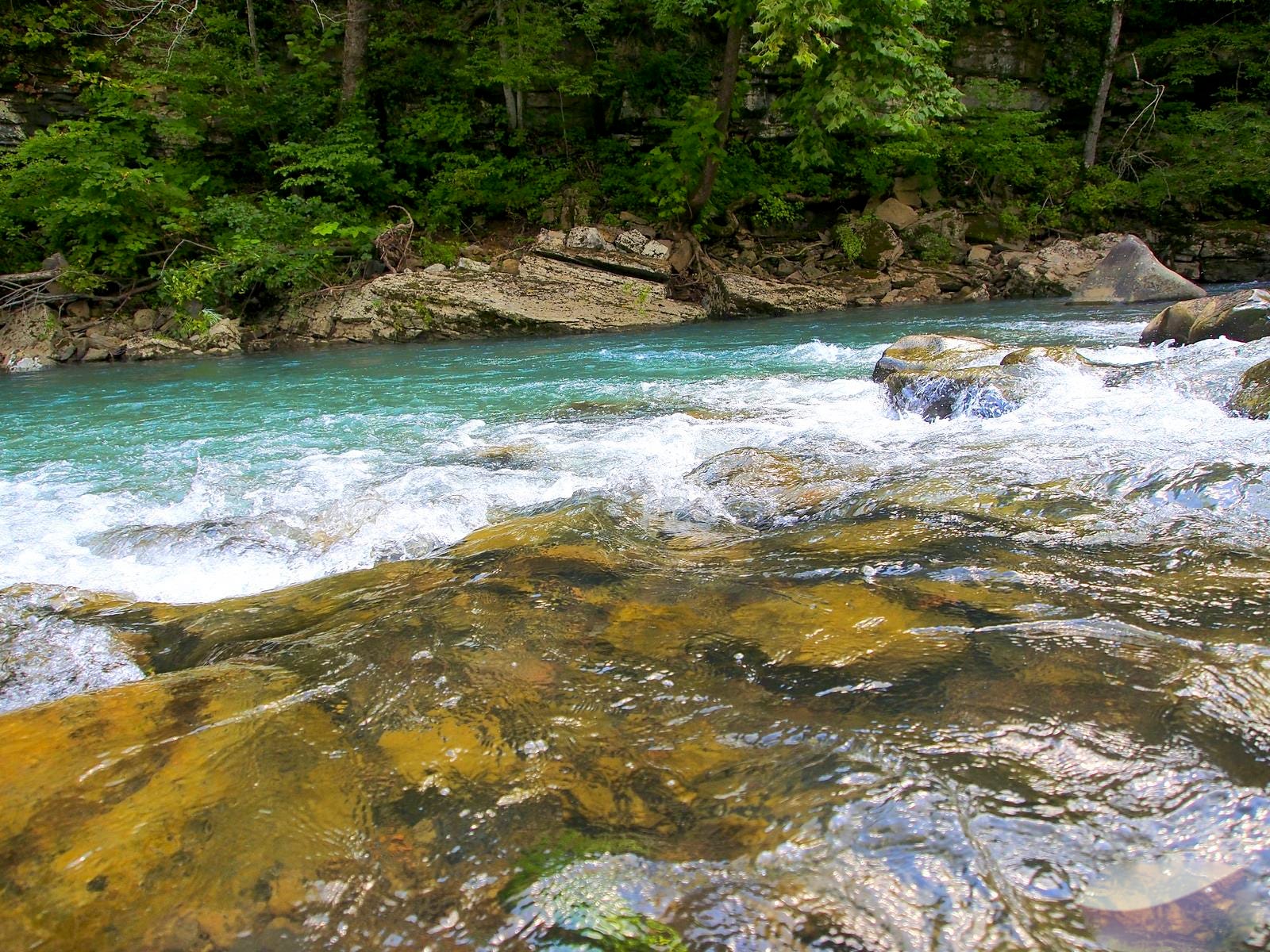
Before the time of electronic navigation tools—when the hallowed hideaways were discoverable only by map and compass or through careful direction from someone who trusted you—this was an enchanted place.
There were no man-made attractions here, so there was no profit to be made from anything, so there was nothing to advertise either in grotesque flyers dispersed at the local businesses (all more than 20 miles distant) or buzzing neon signs pointing the way. There were no catchy commercial jingles or newspaper advertisements. A lot of people from not that far away did not know it existed.
It was just a wide spot in a little creek carving through a deep, secluded hollow and crossing under a one-lane bridge on the farthest of backroads. For those not intimately familiar with it, those who had never bounced over the miles of truck-rattling ruts to rapture in its cool currents on a blistering July day or stood on the bedrock under those currents and felt the wildness of the ancient hills pulsing through a bent fishing pole, it was just a hillbilly swimming hole.
In those days, which were not so long ago, people in the know (mostly hillbillies) did not speak of the rough sort of beauty peculiar to these secret places in the company of unvetted ears, and folks not familiar with the backroads did not drive them for the pure hell of it. So no one came here uninvited, in a manner of speaking. Few outside of locals, or kin to, came deliberately to places like this because few outside of the culture could imagine such places or why anyone would go there.
There was always a government-designated campground at the wide spot, at least as far back as I can remember. But it was barely maintained and had no amenities. The switchback road into the hollow, too formidable and unforgiving for RVs, made it a tent-only affair. No public restrooms made it a shovel-first affair. And that type of camping did not, for many reasons, hold the broad appeal it seems to now. Like the wide spot, few knew about the campground. I don’t recall ever seeing anyone camp there that my father did not know and never more than one camp at a time. On many visits, we never saw another human. It was this way for the entirety of my childhood.
But sometime during my third decade, technology, wanderlust, and a revisiting of simpler ideas pervaded the population at large and threatened the wide spot with an infestation of weekend visitors. I think the mountains themselves seemed to sense this, as if the humble secrets hidden by steep timbered ridges and the circumspect culture of a people rooted in their thin soils were in peril.
And some places just don’t abide defilement.
The “official” cause was too much rain for too long, turning waterlogged soil to cascading slurry. This was, for sure, the mechanics behind it. But I believe the parade of trucks, Jeeps, and ORVs grunting through the hollow tested the hills’ patience; the vibrations of too many internal combustion engines splintered the underpinning. Until one day the old stony bones of the Boston Mountains let loose and the hills settled their bulk on the road with a landslide.
The mass of soil, rock, and vegetation covered only one of the two routes leading to the wide spot—the one best known and most hospitable and therefore most heavily traveled—and that was enough.
I don’t remember for how long the road was impassable, but I recall a few summers of sublime solitude akin to the days of my boyhood. During that time we saw a grand total of one other vehicle at the wide spot. It drove over the bridge as we splashed below then quickly backed up into the washed out campground driveway, turned around and left. I think they were lost.
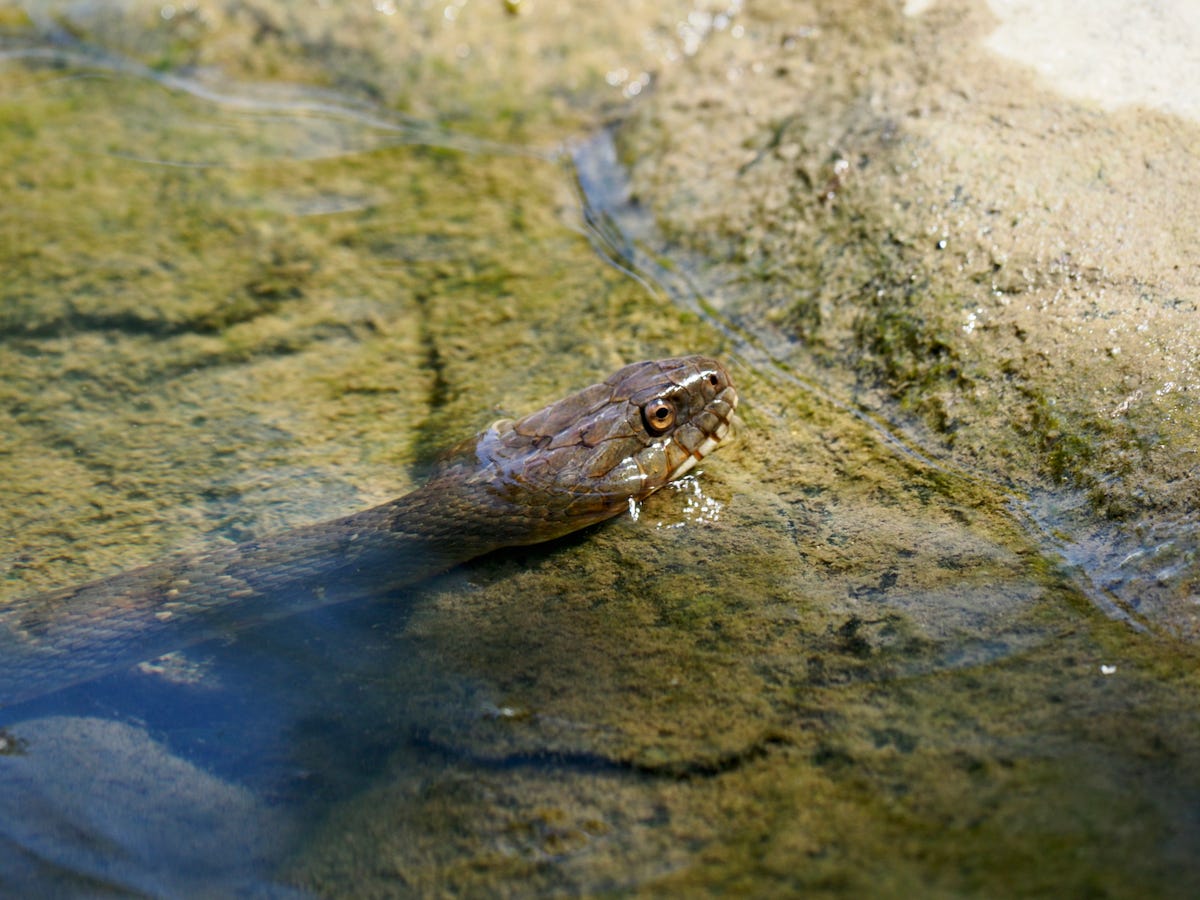
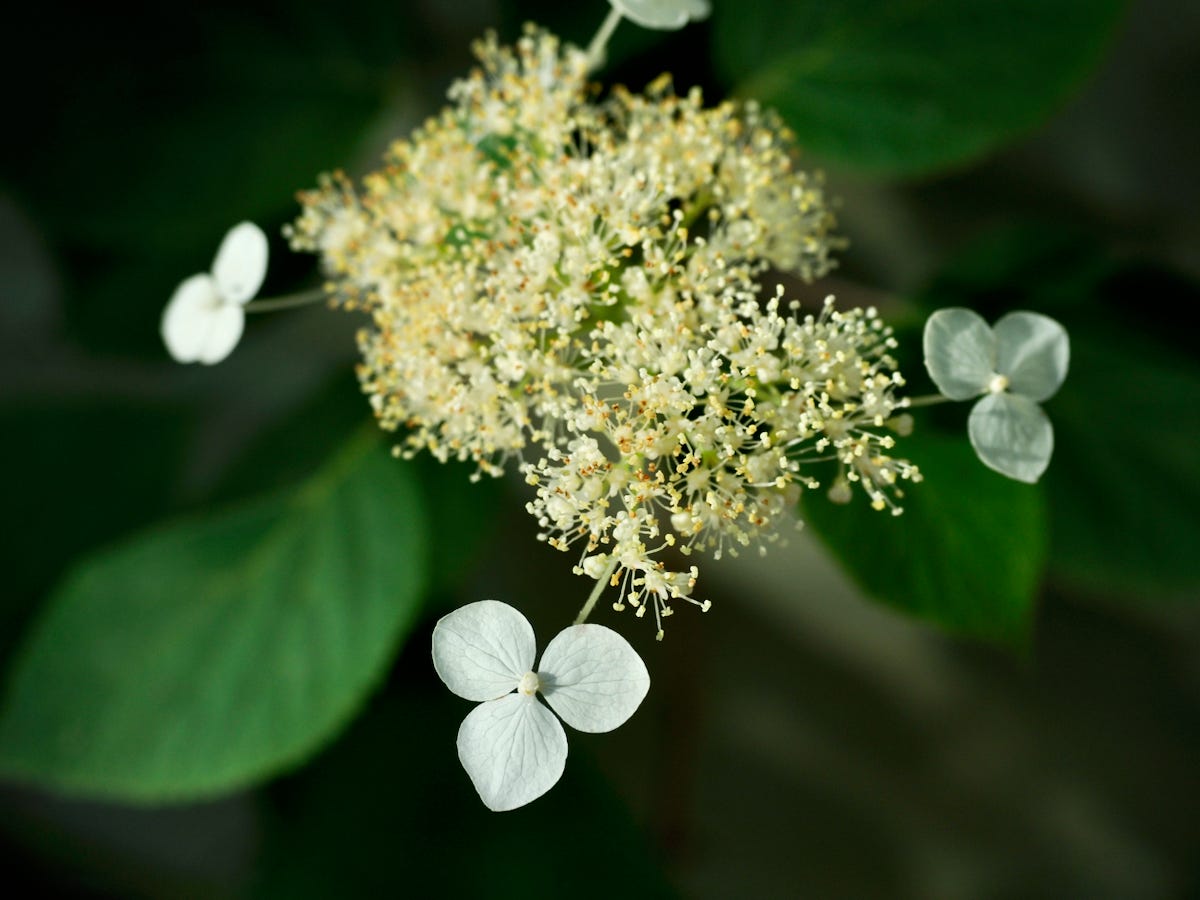
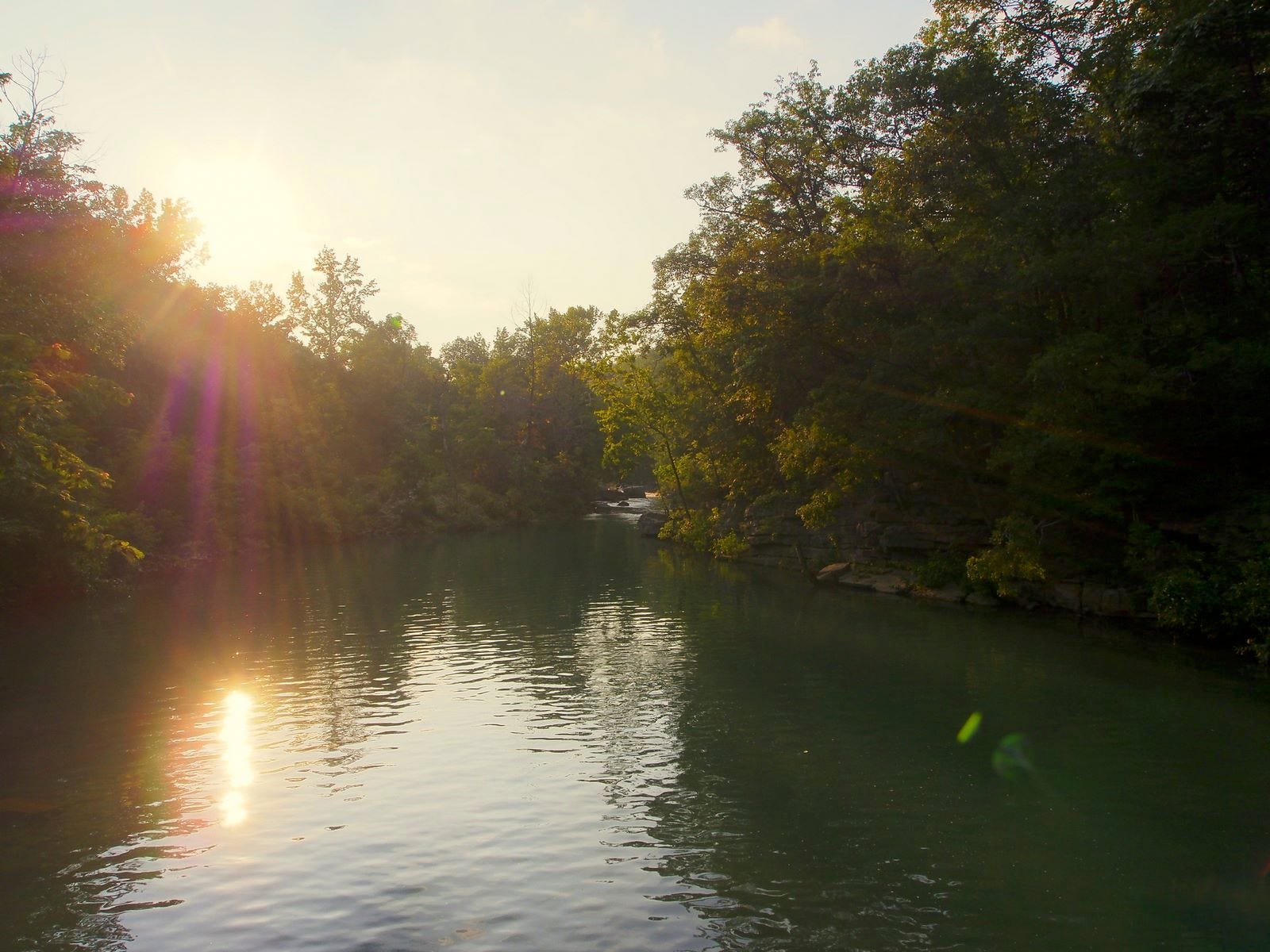
Those sacred summers were a return to the Eden I knew as a boy that I could share with my daughters and nephew. It was a place they could sniff the perfume of wild hydrangeas clinging to creek-side bluffs so steep and deep in the dark heart of the hollow that sunbeams never gilded their lacy flowers. It was a place they could sit in riffles burbling with cold spring water, where they could find a rare peace and sense of belonging alongside the ever-searching mink, the fierce little brown bass, the wise and patient watersnake.
But all good things must end.
Eventually, the dozers came and shoved the fallen shoulders of the mountain aside. The road was smoothed, and the government campground enhanced and renovated. It was still nigh on impossible to get an RV into the place, but now there were lantern poles and restrooms. Even more precise and foolproof electronic mapping technology combined with a burning fervor to reconnect with the untamed (or an interpretation thereof), and an unquenchable desire to tell every damn person within earshot (a range now amplified through social media) about “this amazing place I found” brought the crowds back.
Then came pandemic when we relearned the hard way that dense populations of animals (even, despite our anthro-arrogance, humans) in close quarters is exactly how and why viruses evolved and thrive. People remembered that open, changing air between us is a good thing, that infinite shades of green paired with haunting wood thrush song can soothe a lot of what ails body, mind, and spirit.
Suddenly, everyone knew about the wide spot. Suddenly, everyone was going there.
Caravans of off-roaders (dirt-roaders is a more apt label) planned excursions and plastered digital invites across the interweb complete with step-by-step directions. Images of both vehicles and people lined up at the wide spot—something I could never imagine in a million years—became commonplace.
With this combination of discoverability and the unquestionable romantic appeal, the wide spot became a social media star. The wide spot became a hashtag.
We didn’t visit the wide spot for a few years after those blessed summers of solitude, mostly because I knew full well the attention it was getting, and places with lots of people are places I don’t want to be. Doubly so for those with which I have an intimate history. But nostalgic yearnings welled when my granddaughter requested a camping trip for her ninth birthday. Urged by a longing to share a place so special to me as a nine-year-old, I suggested the wide spot.
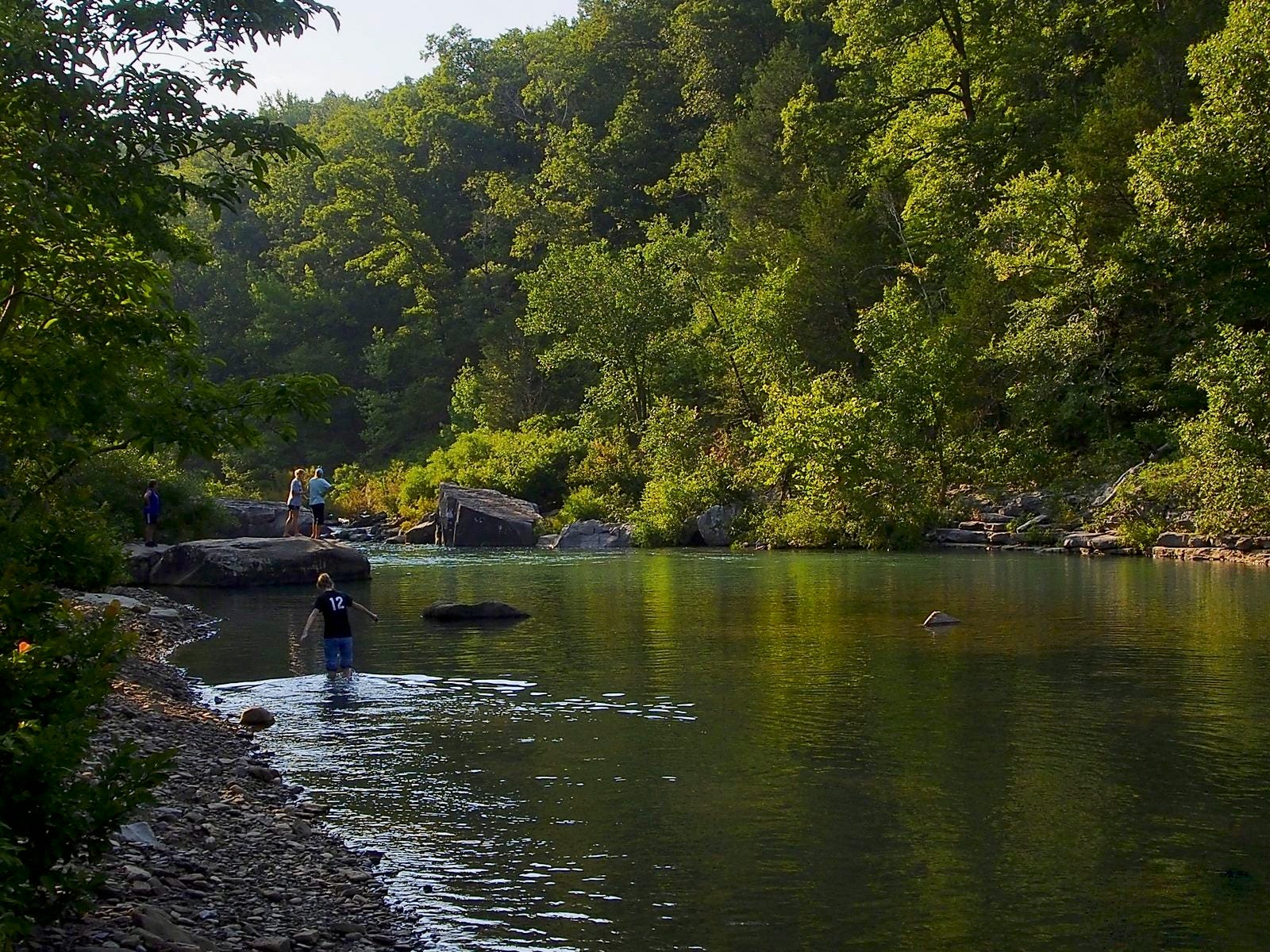
So we pitched tents in the refurbished campground not far enough away from other campers, made s’mores around a government-built fire pit, and descended a cement staircase to the creek’s sparkling holiness where at least fifteen other folks—strangers to me in these waters I knew so well—waded and swam in the cool Ozarkian aquamarine.
I waded and swam a while, too. I tried to meditate on the infinite green, but all I saw was people. I listened hard for the ghostly warbles of the wood thrush.
But all I heard was a radio.
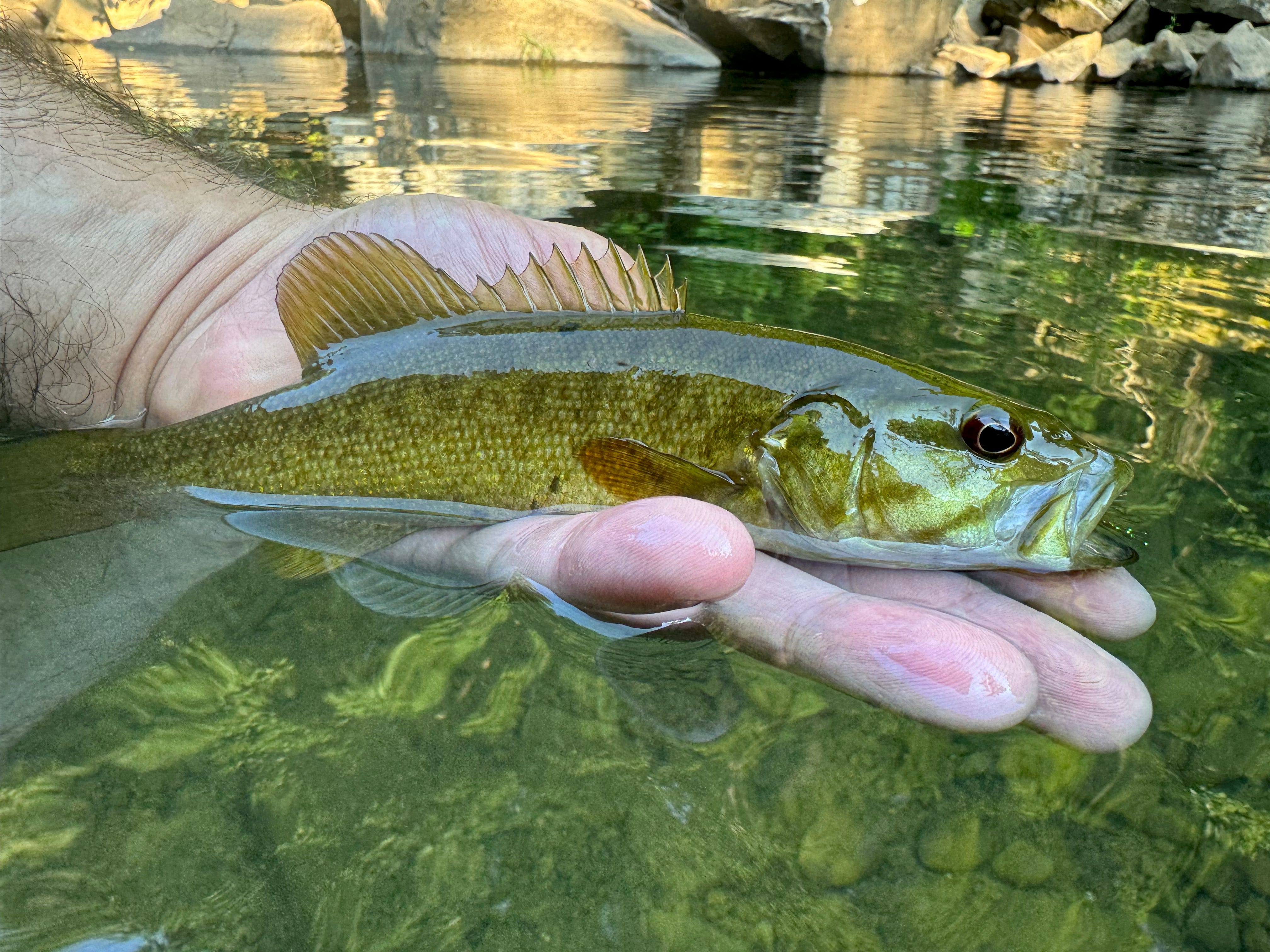
As shadows grew, I hiked upstream away from the designated swimming area with a 4-weight fly rod searching for something I worried was lost forever. And in the still-hidden pockets where slick creek rocks and the specter of timber rattlers long as your leg make the travel more painstaking, I still found wild hydrangeas, fierce little brown bass, and wise watersnakes—remnants of the creek I once knew.
I also found a searing heartache in knowing that it would never be that creek again.
I understand that change is the only constant, that we are only here until someone else comes along—cultures come and go, one displaced by another and every one with different ideas about what is sacred and what is not. I understand that untamed places are ultimately domesticated, the numinous eventually rendered into the ordinary. It is the way of people. It is the way of the world.
I wrestle with this reality every day of my life, struggle to accept that I can’t be a gatekeeper for something utterly unownable.
And I struggle, too, for words to convey my mourning for what is lost forever. Am I feeling a blue sadness or white-hot rage when the whip-poor-will’s slender melancholy notes are blotted out by the throbbing beats of a subwoofer? Was it a righteous red-faced anger that engulfed me when my granddaughters told me of the piles of dead sunfish they found on the creek bank? Is it a blackened resentment singeing my soul over the irreverent appropriation of my backwoods heritage?
How can I feel anything but bitterness about the degradation of a transcendent place by too many people seeking their own definition of what it means to experience nature? How is it that their definition requires so much of what I come here to escape?
But if I want to preserve this intimate relationship with the wide spot through my middle years and beyond, somehow I’ve got to reckon this new reality of sharing it with people who don’t know it like I do, who may not and may never know it as anything more than “an awesome place they found.” I’ve got to coexist with some folks who will barter the spirit of the mountains for nothing more than a few digital “likes.”
I’ve been praying for enlightenment to flow from the mountains and through me like creek water, for potent words that pour from my lips and drip from my fingers. I long for clear sentiments to help them understand the fragility of this jewel.
But the truth of the matter—a truth that’s sadly been proven all through history—is that more accessibility always means more people. More people, even those with the best of intentions, will always kill the wild magic. And when the wild magic is gone, enchanted places die.
Your observations and heartache and anger are familiar to me as someone who also lives in an area that is being loved to death. It’s so hard to watch.
I feel like your words and writings help capture and preserve what is slipping away, and help people to experience the quiet and intimate perspective those places give.